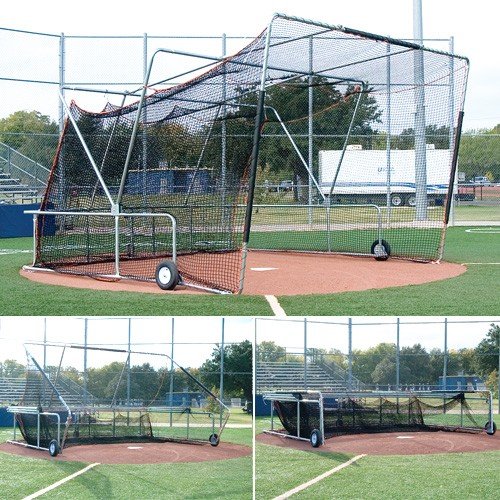
The best baseball practices keep players moving instead of waiting. By designing practices around multiple skill stations, organized player rotations, and portable equipment, coaches can maximize repetitions, improve player development, and make better use of every minute on the field.
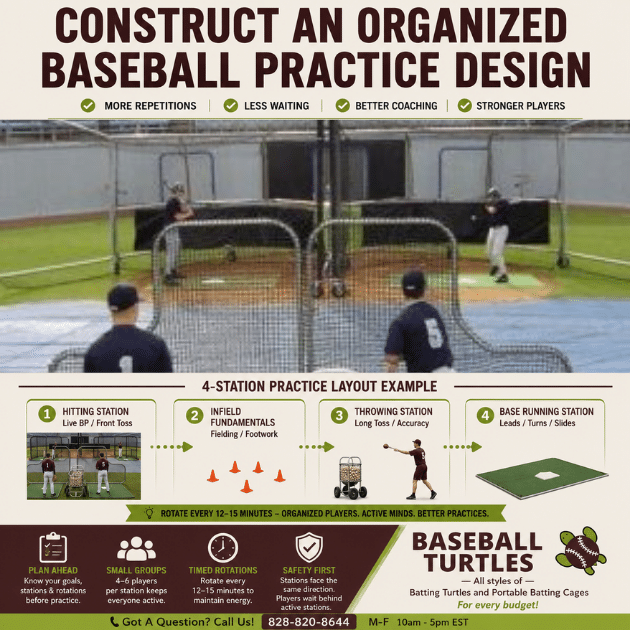
⚾ TL;DR
A well-designed baseball practice isn’t about doing more drills—it’s about creating a system that keeps every player engaged. Coaches who organize multiple stations, prepare equipment before practice begins, and use efficient player rotations spend less time managing logistics and more time coaching.
Table of Contents
Why Practice Design Matters
Every baseball coach has the same challenge:
There are never enough practice minutes.
Whether you’re coaching a youth league, high school varsity, travel team, or college program, every practice competes against limited daylight, player attention, field availability, and a busy season schedule.
Great coaches understand that the quality of practice isn’t measured by how long players are on the field—it is measured by how much meaningful work each player completes.
The difference between an average practice and an exceptional one often comes down to practice design.
Instead of creating long lines and idle players, successful coaches organize practices that allow multiple activities to happen simultaneously. Players stay engaged, coaches spend more time teaching, and every station contributes to player development.
By intentionally designing practices around movement, organization, and repetition, programs can accomplish far more without adding extra practice time.
Common Practice Mistakes That Waste Time
Even experienced coaches can lose valuable practice time because of poor organization rather than poor instruction.
Some of the most common practice bottlenecks include:
Long Waiting Lines
Nothing slows player development faster than standing in line.
If ten players are waiting for one hitter to finish before rotating, the majority of practice time is spent watching instead of improving.
Creating multiple hitting stations dramatically increases repetitions while keeping players mentally engaged.
Equipment Setup During Practice
Many practices don’t truly begin until equipment is assembled.
Portable batting cages, hitting stations, ball carts, L-screens, and buckets should be positioned before players arrive whenever possible.
Preparation allows coaches to start teaching immediately instead of spending valuable minutes organizing equipment.
Read More: Baseball Equipment Organization
Too Many Players at One Station
Large groups often create inactivity.
Breaking players into smaller groups keeps everyone participating and provides coaches with more opportunities for individual instruction.
Instead of twenty players working through one station, successful programs often divide the team into four or five smaller groups rotating through different skill areas.
Unclear Rotations
Players should never wonder where they go next.
Simple rotation schedules, visual station maps, or assistant coaches directing movement help practices flow smoothly without constant interruptions.
Clear organization builds confidence while reducing downtime between drills.
The Four Principles of Efficient Practice Design
Highly organized baseball programs tend to follow four consistent principles regardless of team size.
1. Keep Everyone Moving
Every player should have a job.
Whether hitting, shagging, throwing, fielding, or preparing for the next drill, players remain engaged instead of standing idle.
Continuous movement increases repetitions and helps maintain focus throughout practice.
2. Divide Practice into Skill Stations
Rather than having the entire team complete one drill together, divide practice into specialized stations.
Examples include:
- ⚾ Hitting station
- 🧤 Infield fundamentals
- 🎯 Outfield work
- 💪 Throwing program
- ⚾ Base running
- 🥎 Pitching and catching
Each station focuses on one objective while allowing coaches to provide more individualized instruction.
3. Build Around Your Equipment
Practice design should support the equipment available to your program.
Portable batting cages and batting turtles make it possible to create multiple hitting environments almost anywhere on the field without waiting for permanent facilities.
That flexibility helps coaches adapt practices based on player numbers, available space, and daily goals.
4. Plan Transitions Before Practice Begins
One of the biggest differences between organized programs and disorganized ones is what happens between drills.
Successful coaches know:
- where players rotate
- who moves equipment
- when stations change
- how long each activity lasts
When transitions are planned ahead of time, practices maintain momentum from start to finish.
Building Multiple Skill Stations
The most productive baseball practices don’t rely on one drill at a time. Instead, they divide the team into multiple stations that allow players to develop different skills simultaneously.
When every player has an assignment, practices become more energetic, more organized, and far more productive.
A well-designed station layout helps coaches:
- Increase repetitions
- Reduce standing in line
- Provide more individual instruction
- Improve player engagement
- Maximize available field space
Instead of waiting for one batting cage to become available, players continue developing other skills while rotating through each station.
Read More: How Baseball Coaches Organize Efficient Multi-Station Practices
Hitting Stations
Hitting stations should focus on maximizing quality swings rather than simply getting players through a batting order.
A typical hitting station may include:
- Live batting practice
- Front toss
- Tee work
- Soft toss
- Swing analysis
- Timing drills
Using portable batting turtles or portable batting cages allows coaches to position hitting stations wherever space is available rather than depending on permanent batting cages.
This flexibility keeps practices moving while allowing multiple hitters to work simultaneously.
Defensive Stations
While one group is hitting, other players should remain active by working on defensive fundamentals.
Examples include:
- Infield footwork
- Double-play turns
- Outfield routes
- Relay throws
- Ground ball fundamentals
- Glove work
Keeping defensive stations active ensures that every player continues developing throughout practice.
Throwing & Pitching Stations
Throwing programs should be incorporated into every practice rather than treated as an afterthought.
Separate stations can include:
- Long toss progression
- Pitcher bullpen work
- Catcher receiving drills
- Accuracy competitions
- Arm care exercises
Separating pitchers and catchers from batting groups allows each position to receive focused instruction.
Base Running Stations
Base running often receives less attention than hitting and fielding, but organized stations allow players to improve:
- First-step explosiveness
- Lead-offs
- Secondary leads
- Reading fly balls
- Sliding techniques
- Aggressive turns around the bases
These skills translate directly into game situations without slowing the overall practice flow.
Organizing Player Rotations
An organized practice depends on smooth transitions between stations.
Players should know exactly:
- Where they begin
- Where they rotate next
- How long they remain at each station
- Who supervises each area
Posting a simple rotation chart or reviewing assignments before practice begins helps eliminate confusion.
For example:
| Group | Station 1 | Station 2 | Station 3 | Station 4 |
|---|---|---|---|---|
| A | Hitting | Infield | Throwing | Base Running |
| B | Throwing | Base Running | Hitting | Infield |
| C | Infield | Hitting | Base Running | Throwing |
| D | Base Running | Throwing | Infield | Hitting |
Timed rotations every 12–15 minutes help maintain energy while giving players enough time to focus on each skill.
Equipment That Supports Better Practice Flow
Well-designed equipment doesn’t just improve drills—it improves the entire practice.
When equipment is portable, durable, and easy to position, coaches spend less time setting up and more time coaching.
Portable Batting Turtles
Portable batting turtles allow coaches to establish hitting stations almost anywhere on the field.
Their mobility makes it easy to:
- Create multiple hitting areas
- Spread players safely across the field
- Reduce waiting lines
- Adapt to different field layouts
Portable Batting Cages
Portable batting cages provide flexibility for schools, travel organizations, and training facilities.
Instead of relying on permanent installations, coaches can position cages where they best support the day’s practice objectives.
This makes them ideal for:
- Daily team practices
- Tournament warmups
- Indoor facilities
- Multi-team training environments
Portable Hitting Cage
-
Home Plate Portable Hitting Cage | Made in USA
Original price was: $4,290.00.$3,950.00Current price is: $3,950.00.
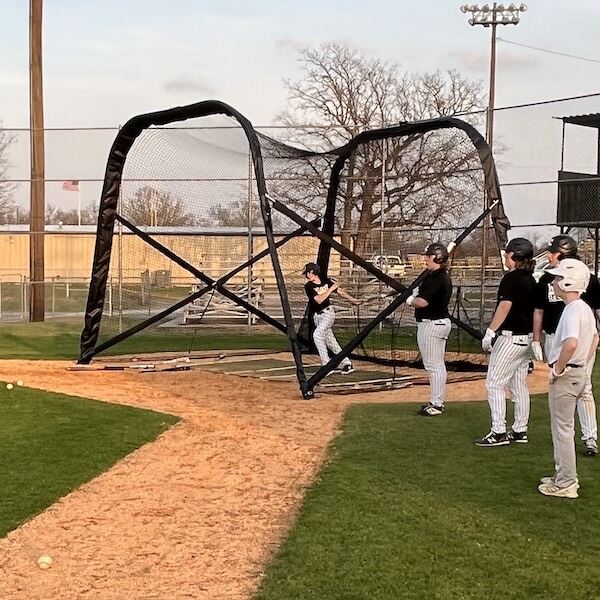
Ball Carts
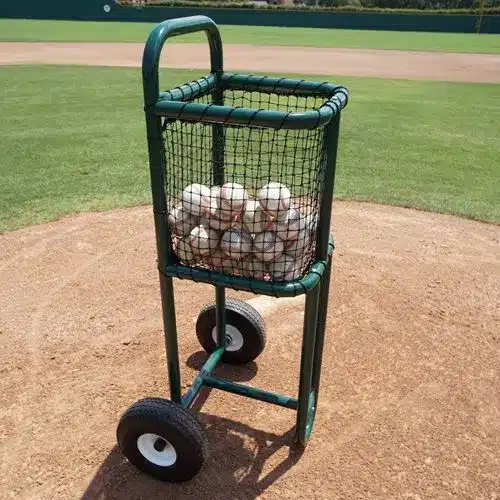
Ball carts reduce unnecessary trips to collect baseballs while keeping practice organized.
Having baseballs readily available at each station keeps players working instead of waiting for equipment.
Benefits include:
- Faster drill transitions
- Less downtime
- Better organization
- Easier cleanup after practice
Ball Carts
-
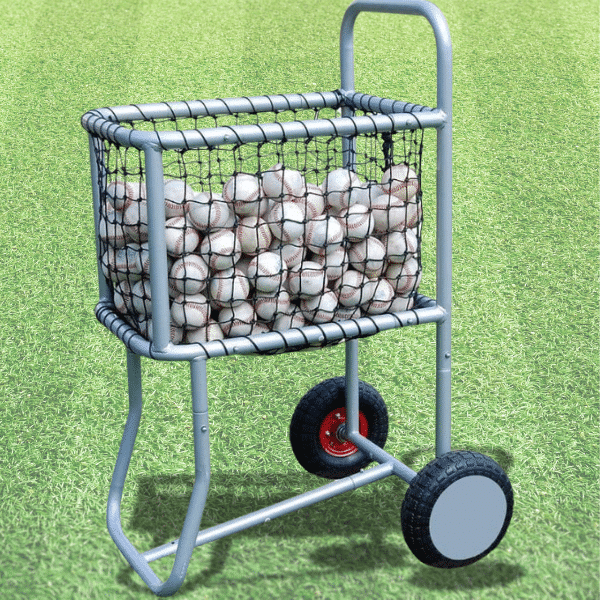
Pro Baseball Cart For 300 Baseballs Or 150 Softballs & Now Includes Wheel Protectors
$359.00 -
Compact Pro Team Baseball Caddy & Softball Caddy | Now Ships Free!
Original price was: $429.99.$369.00Current price is: $369.00.
Hitting Mats & Accessories
Small accessories can make a significant difference in practice efficiency.
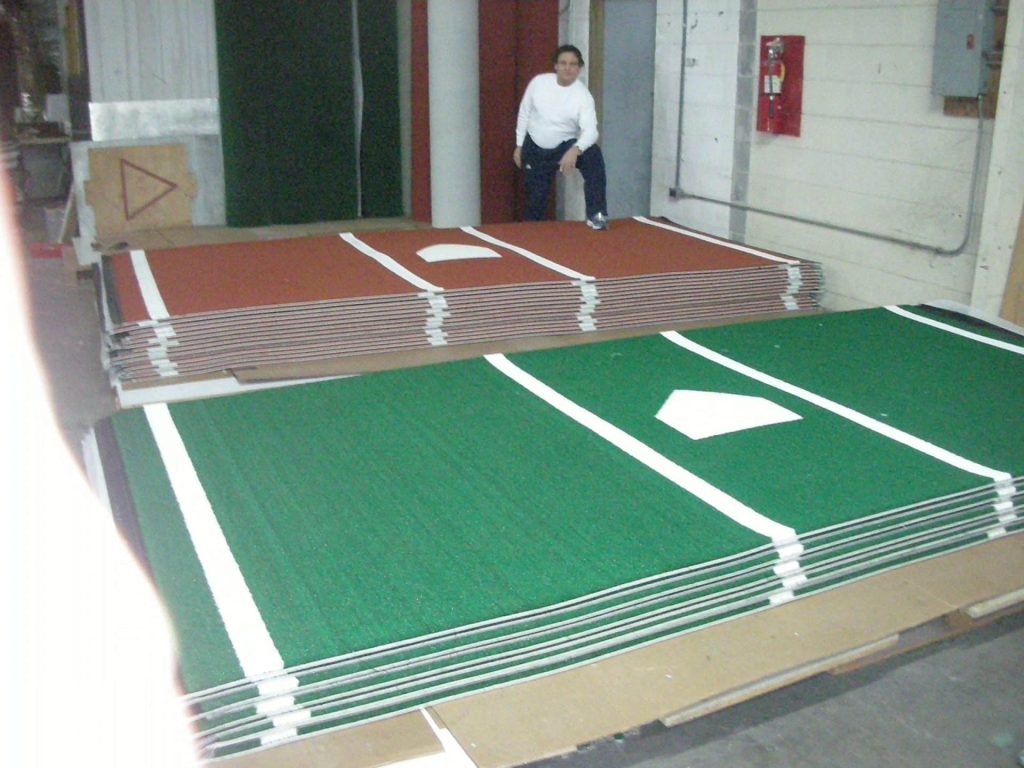
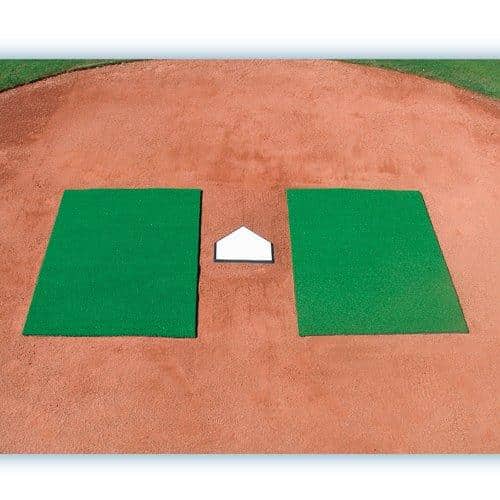
Items such as hitting mats, and other training accessories help coaches maintain consistent station layouts throughout the season.
Hitting Mats
-
Baseball Hitting Mats | 6′ x 12′ Pro Turf Mats in Green or Clay
Original price was: $429.00.$390.00Current price is: $390.00. -
Turf Baseball Mats Reduces Batters Box Maintenance | For Batting Practice & Fungo | Spike Resistant Turf
Original price was: $399.00.$379.00Current price is: $379.00.
Sample 90-Minute Practice Layout
Every program has different priorities, but this sample practice demonstrates how organized stations can keep players active throughout the session.
| Time | Activity |
|---|---|
| 0–10 min | Dynamic warm-up & throwing progression |
| 10–25 min | Defensive fundamentals |
| 25–55 min | Four rotating skill stations |
| 55–75 min | Multi-station batting practice |
| 75–85 min | Team situations & communication |
| 85–90 min | Review, cleanup, and next practice objectives |
This schedule minimizes idle time while ensuring every player receives meaningful repetitions in multiple skill areas.
Baseball Practice Design for Large Baseball Teams
Large rosters make practice organization especially important. When 25, 35, or more players share one field, traditional one-drill-at-a-time practices create long lines and limited repetitions.
The solution is not necessarily extending practice. It is dividing the available time, space, equipment, and coaching staff more effectively.
Divide the Team Before Practice Begins
Assign players to groups before warm-ups begin. Each player should know:
- Their starting station
- Their assigned coach
- Their rotation order
- The objective of each station
Preassigned groups prevent the confusion that often occurs when coaches try to organize players after practice has already started.
Use Smaller Groups at Each Station
Groups of four to six players generally provide a good balance between activity and instruction.
Smaller groups allow players to receive more repetitions while giving coaches enough time to provide individual feedback.
Assign Coaches to Specific Areas
Whenever possible, assign each coach to one station rather than having coaches move constantly across the field.
For example:
- Head coach: live batting station
- Assistant coach: defensive fundamentals
- Assistant coach: front toss or tee work
- Team manager: baseballs, ball carts, and station transitions
Clear responsibilities help each station remain active and productive.
Use Portable Equipment to Expand the Practice Area
Portable batting turtles, batting cages, ball carts, and hitting mats allow coaches to create organized stations across an outfield or practice field.
This can help large teams avoid crowding around one batting area while keeping players safely separated.
Internal link suggestion: Link the phrase organized multi-station batting practice to your Week 4 authority page.
Practice Design for Youth Baseball
Youth players benefit from structure, but they also need variety and frequent movement to remain engaged.
Long explanations and long lines quickly reduce attention. Youth practices should use short, clearly defined stations that focus on one skill at a time.
Keep Instructions Brief
Explain the purpose of the drill, demonstrate it clearly, and allow players to begin.
Coaches can provide corrections while the station is active rather than delaying the entire group with lengthy explanations.
Rotate More Frequently
Youth stations may work best in intervals of approximately eight to ten minutes.
Shorter rotations help maintain energy and allow players to experience several different skills during one practice.
Make Every Station Purposeful
Avoid adding drills simply to fill time. Each station should support a specific practice objective, such as:
- Making consistent contact
- Improving throwing accuracy
- Developing proper fielding position
- Learning safe base-running habits
- Improving communication
Keep Safety Zones Easy to Understand
Clearly identify where players should stand while waiting.
Players waiting for their turn should remain behind active hitting stations and outside all swing paths. Coaches should also make sure every batting station faces the same safe direction.
⚾ Coach’s Tip
Before adding another drill, look for ways to make your existing practice stations more active.
One well-organized station that produces frequent, purposeful repetitions is usually more valuable than several complicated drills that create confusion or waiting.
Common Practice Design Mistakes to Avoid
Even a detailed practice plan can become inefficient when the field layout and player flow are not considered.
Trying to Cover Too Much
A practice with ten unrelated objectives often produces less improvement than a practice focused on two or three priorities.
Choose the most important development goals and organize the entire practice around them.
Creating Stations Without Enough Supervision
Stations should be simple enough to operate safely with the coaches and assistants available.
Avoid creating more active hitting areas than your staff can properly supervise.
Changing the Layout Too Often
A consistent general layout helps players learn where equipment belongs and how rotations work.
Coaches can change the drills without completely rebuilding the practice environment every day.
Leaving Equipment in Player Pathways
Ball carts, buckets, screens, bats, and other equipment should remain outside rotation paths and running lanes.
An organized practice field is easier to supervise and safer for everyone.
Failing to Plan Cleanup
Assign players or managers to specific equipment before practice ends.
A clear cleanup system protects the equipment and prevents coaches from handling the entire breakdown alone.
Key Takeaways
⚾ Design practice around player activity rather than the number of drills.
⚾ Use multiple stations to increase repetitions and reduce waiting.
⚾ Assign players, coaches, and equipment before practice begins.
⚾ Keep batting stations facing the same safe direction.
⚾ Position players waiting their turn behind active hitting areas.
⚾ Use portable equipment to create flexible station layouts.
⚾ Keep rotations clear, timed, and easy to follow.
⚾ Focus each practice on a limited number of measurable objectives.
⚾ Adapt station length and instruction to the players’ age and experience.
⚾ Consistent practice systems help coaches spend more time teaching.
Frequently Asked Questions
How do you design an effective baseball practice?
Begin with one or two measurable objectives, divide the team into small groups, and create timed skill stations that keep players active. Prepare equipment and rotation assignments before players arrive.
How many stations should a baseball practice have?
The ideal number depends on roster size, available space, equipment, and coaching staff. Many programs can operate effectively with four to six stations, provided each station can be supervised safely.
How long should players stay at each station?
Older teams often use station rotations of approximately 12 to 15 minutes. Youth teams may benefit from shorter rotations of about eight to ten minutes.
How do coaches reduce waiting during baseball practice?
Coaches can reduce waiting by dividing players into smaller groups, operating multiple stations at once, and using portable equipment to create additional practice areas.
What equipment helps keep baseball players active?
Portable batting turtles, portable batting cages, hitting mats, protective screens, ball carts, baseball buckets, and station markers can support a more organized practice layout.
Where should players wait during batting practice?
Players waiting for their turn should remain behind the active batting station and outside the batter’s swing path. They should never stand in front of an active hitter.
How should batting stations be positioned?
Batting stations should face the same safe direction, with adequate space between them. Coaches should consider potential batted-ball paths, nearby drills, and player movement before practice begins.
How do you organize practice for a large baseball team?
Divide the roster into small groups before practice, assign each group a starting station, use timed rotations, and give each coach a defined responsibility.
How often should a baseball practice layout change?
The basic layout can remain consistent throughout the season, while the drills and objectives change. Familiar station locations make transitions faster and reduce confusion.
Why are multiple practice stations effective?
Multiple stations allow several groups to work simultaneously. This increases repetitions, improves coaching opportunities, and reduces the amount of time players spend standing in line.
Build a More Active and Efficient Baseball Practice
For more than 25 years, Baseball Turtles has helped high schools, colleges, universities, youth organizations, training facilities, and professional baseball programs create better-organized practice environments.
Whether you are outfitting one field or planning multiple stations for an entire program, we can help you select portable batting turtles, batting cages, ball carts, and practice equipment that fit your team, available space, and budget.
Schools, colleges, universities, athletic programs, and municipal organizations are welcome. Purchase orders are accepted.
⚾ Ready to Improve Your Practice Setup?
Call 828-820-8644 Monday through Friday, 10 a.m.–5 p.m. EST, or use the Request a Quote system online. We will help you choose equipment that supports safer organization, more player repetitions, and more productive practices.
Our Quality Batting Turtle Lineup
-
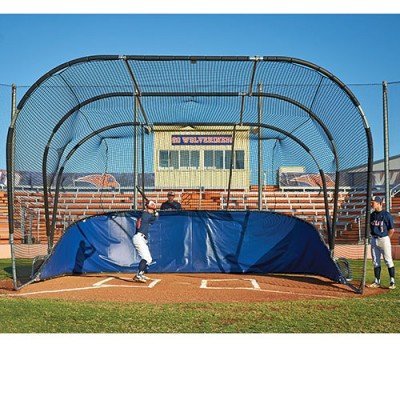
Bubba Elite Baseball Batting Cage | A Batting Turtle & All The Options
$7,690.00 -
D1 Foldable Batting Cage | Traditional Batting Turtle For BP
Original price was: $6,500.00.$5,700.00Current price is: $5,700.00. -
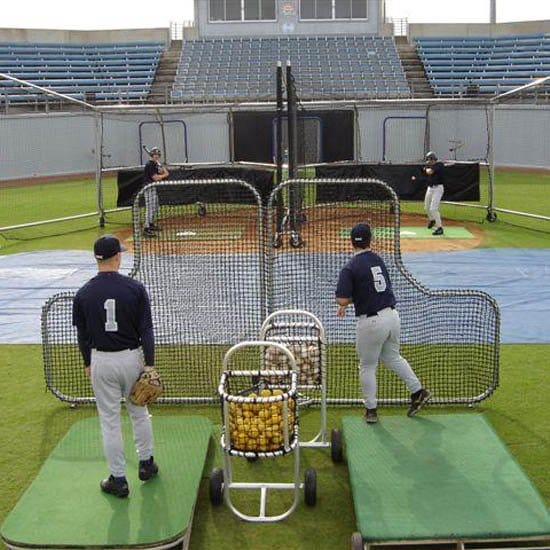
Doubles Hitter Portable Batting Turtle | 2 Batters | 1 Ballfield
$11,900.00 -
Home Plate Portable Hitting Cage | Made in USA
Original price was: $4,290.00.$3,950.00Current price is: $3,950.00. -
Our New Sandlot Rolling Portable Baseball Backstop
Original price was: $4,200.00.$3,950.00Current price is: $3,950.00. -
Our Non Folding Budget Batting Cage Batting Turtle
Original price was: $5,600.00.$5,200.00Current price is: $5,200.00. -

The #1 Pro Batting Turtle | The Pitch Hunter Pro Baseball Turtle
Price range: $8,700.00 through $9,900.00 -
The New Pro Turtle | Our 21st Century Batting Cage Turtle
Price range: $6,900.00 through $7,700.00 -
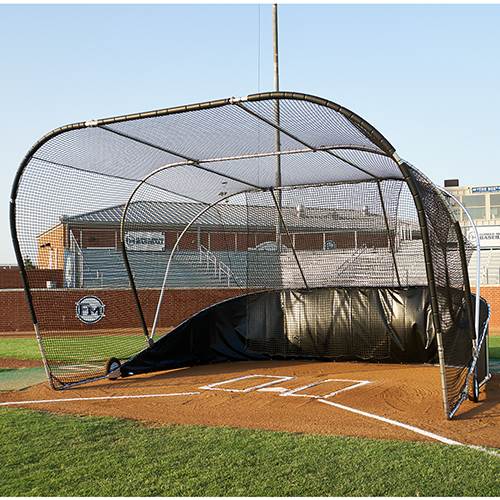
The Original Big Bubba Batting Cage | USA’s #1 Selling Batting Turtles
$7,250.00