How much should a high school budget for baseball equipment?
A high school baseball equipment budget should prioritize equipment that improves player development, maximizes practice efficiency, and provides long-term durability. Coaches should first invest in core practice equipment such as portable batting cages, protective screens, quality baseballs, training aids, and field maintenance equipment before expanding into specialty equipment as budgets allow.
TL;DR
A successful baseball equipment budget isn’t about buying everything at once—it’s about investing strategically. By prioritizing equipment that improves practice efficiency, lasts for multiple seasons, and supports every player, high school baseball programs can maximize limited budgets while building a stronger team year after year.
Table of Contents
Why Every Baseball Program Needs an Equipment Budget
Every successful high school baseball program relies on more than talented players and dedicated coaches. Behind every productive practice is equipment that allows athletes to develop fundamental skills safely and efficiently. Whether your funding comes from an athletic department, booster club, fundraising efforts, or district purchasing, having a long-term equipment budget helps ensure your players have the tools they need to improve throughout the season.
Without a structured budget, many programs fall into a reactive cycle of replacing broken equipment instead of making strategic investments. Creating a plan allows coaches to prioritize purchases that improve daily practices, reduce wasted time, and provide years of dependable service.
Read More: Efficient Batting Practice
A thoughtful equipment budget also supports consistency from season to season. Instead of scrambling to replace worn-out gear before opening day, coaches can spread purchases over several years, reducing financial strain while continually improving the quality of practices.
High school baseball programs that take a long-term approach often discover they spend less money over time because durable equipment lasts longer, requires fewer repairs, and delivers greater value throughout its life cycle.
Common Budgeting Mistakes
Many baseball programs operate with limited resources, but the biggest challenges often stem from how those resources are allocated rather than how much money is available.
Buying the Least Expensive Equipment
Choosing the lowest-priced equipment may seem like a good way to stretch a limited budget, but inexpensive products frequently require replacement sooner and may not withstand the demands of daily practices. Investing in durable equipment often reduces the overall cost of ownership by minimizing repairs and replacements.
Purchasing Without a Long-Term Plan
Many programs replace equipment only after it fails. While this may solve an immediate problem, it creates inconsistent purchasing patterns that make budgeting difficult. A multi-year replacement strategy allows schools to anticipate expenses and avoid unexpected costs.
Prioritizing Game Equipment Over Practice Equipment
Games may define a season, but practices shape player development. Equipment used every day during batting practice often has a greater impact on player improvement than equipment used only during competition.
Read More: Best Daily Team Equipment
Prioritizing Equipment That Impacts Every Practice
When budgets are limited, coaches should focus first on equipment that benefits the greatest number of players during every practice.
High-priority investments typically include:
- Portable batting cages
- Protective screens
- Quality baseballs
- Batting tees
- Ball carts
- Practice nets
- Pitching targets
- Field maintenance equipment
- Storage and transportation solutions
These pieces of equipment improve organization, reduce downtime between drills, and allow coaches to maximize repetitions throughout practice.
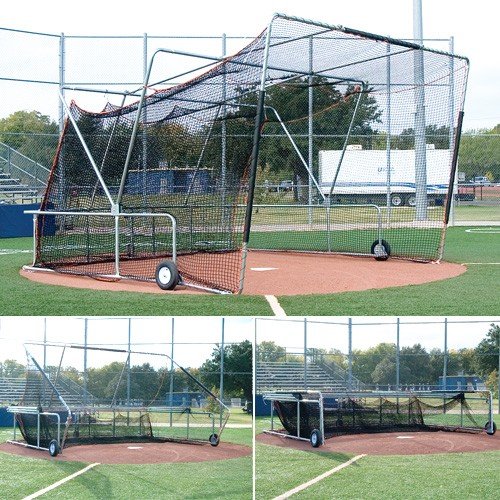
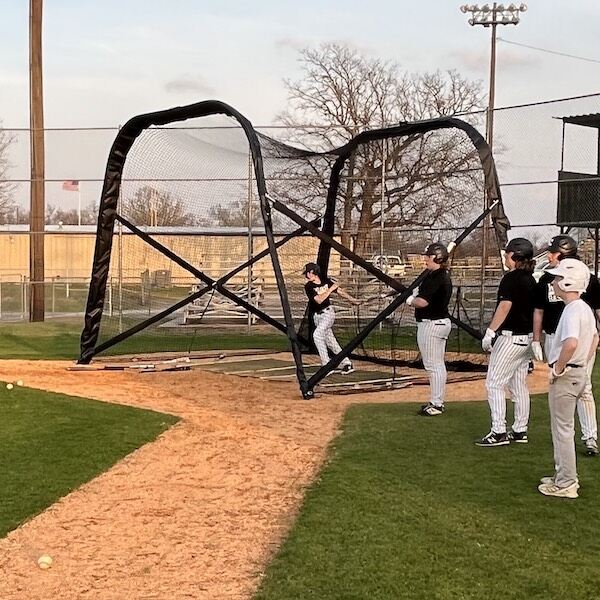
Portable batting cages are especially valuable because they allow coaches to create multiple hitting stations across the field. Rather than waiting in long lines, players receive more swings in less time while coaches can provide instruction to multiple athletes simultaneously.
Read More: How Baseball Coaches Organize Efficient Multi-Station Batting Practice
Programs with larger rosters should also consider how equipment can be configured to accommodate multiple practice groups. Efficient station-based practices allow hitters, fielders, pitchers, and catchers to work simultaneously rather than waiting for a single activity to finish.
Read More: Choosing a Batting Turtle Based on Roster Size and Practice Flow
Building a Multi-Year Equipment Plan
Rather than attempting to purchase every piece of equipment during a single season, successful programs spread investments over multiple years.
Year One
Focus on core practice infrastructure including portable batting cages, protective screens, baseballs, batting tees, and other equipment used during every practice.
Year Two
Expand the number of practice stations by adding additional nets, training aids, and organizational equipment that improves practice flow.
Year Three
Replace equipment experiencing heavy wear while investing in specialized training tools that address the evolving needs of the program.
Year Four and Beyond
Continue evaluating equipment based on usage, condition, and player development goals. Regular replacement cycles prevent major budget surprises while ensuring practices remain efficient and productive.
A phased purchasing plan also makes it easier for coaches to work with athletic directors and booster clubs because larger purchases can be scheduled well in advance rather than becoming emergency requests.
Understanding Total Cost of Ownership
The purchase price is only one factor when evaluating baseball equipment.
Coaches should also consider:
- Expected lifespan
- Replacement part availability
- Maintenance requirements
- Ease of transportation
- Storage requirements
- Warranty coverage
- Manufacturer support
- Frequency of use throughout the season
Durable baseball equipment often costs more initially but provides significantly greater value over many seasons. When evaluating equipment, coaches should think beyond the purchase price and consider how often it will be used, how long it is expected to last, and how it contributes to safer, more productive practices.
Read More: Institutional Batting Equipment: Durability Standards for Schools and Multi-Team Use
Working with Athletic Directors and Booster Clubs
Strong baseball programs are built on collaboration. While coaches understand the daily needs of their players, athletic directors, school administrators, and booster clubs often play a significant role in funding equipment purchases. Presenting a well-organized equipment budget demonstrates that purchases are based on long-term planning rather than immediate wants.
When discussing equipment requests, focus on measurable outcomes rather than simply describing the equipment itself. Explain how the investment will improve player development, increase the number of quality repetitions during practice, reduce setup time, improve player safety, and provide value over multiple seasons.
Programs that present equipment purchases as long-term investments rather than annual expenses often receive stronger support from administrators and community organizations.
Read More: Institutional Batting Equipment Standards
Booster clubs can also become valuable partners in helping programs acquire equipment that may exceed an annual athletic department budget. Many organizations successfully fund larger purchases through sponsorships, fundraising events, tournaments, and community donations. Sharing a multi-year equipment plan allows supporters to understand how their contributions directly improve the student-athlete experience.
Tax-Exempt Purchasing
Many public schools, private schools, colleges, universities, municipalities, and nonprofit organizations qualify for tax-exempt purchasing. Taking advantage of these purchasing opportunities helps athletic departments stretch limited budgets while remaining compliant with district purchasing requirements.
Before placing an order, coaches should work with their purchasing department or business office to provide the appropriate tax-exempt documentation. Having this information prepared in advance can simplify the ordering process and eliminate unnecessary delays.
Baseball Turtles regularly works with schools and organizations that purchase through tax-exempt programs and understands the documentation and quoting process required for institutional purchases.
View Our Tax Exempt Information
Sample Equipment Budget Priorities
Every baseball program has unique needs, but most successful budgets begin with equipment that improves every practice before expanding into specialized training tools.
| Priority | Equipment | Why It Matters |
|---|---|---|
| High | Portable Batting Cages | Increases player repetitions and practice efficiency |
| High | Protective Screens | Improves player and coach safety |
| High | Baseballs | Essential for every practice |
| High | Batting Tees | Supports individual skill development |
| Medium | Ball Carts | Improves organization and practice flow |
| Medium | Practice Nets | Creates additional training stations |
| Medium | Pitching Targets | Develops pitching accuracy |
| Medium | Field Maintenance Equipment | Maintains safe playing conditions |
| Low | Specialty Training Aids | Expands advanced player development |
Rather than purchasing every item immediately, coaches should prioritize equipment based on daily use, expected lifespan, and the number of athletes who benefit from each investment. This approach allows programs to steadily improve without placing unnecessary strain on annual budgets.
View Our Batting Practice Lineup
Best selling Equipment
-
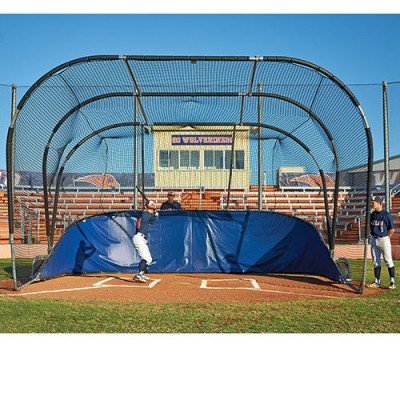
Big Bubba Batting Cage Parts & Bubba Elite Batting Cage Parts
Price range: $45.00 through $1,780.00 -
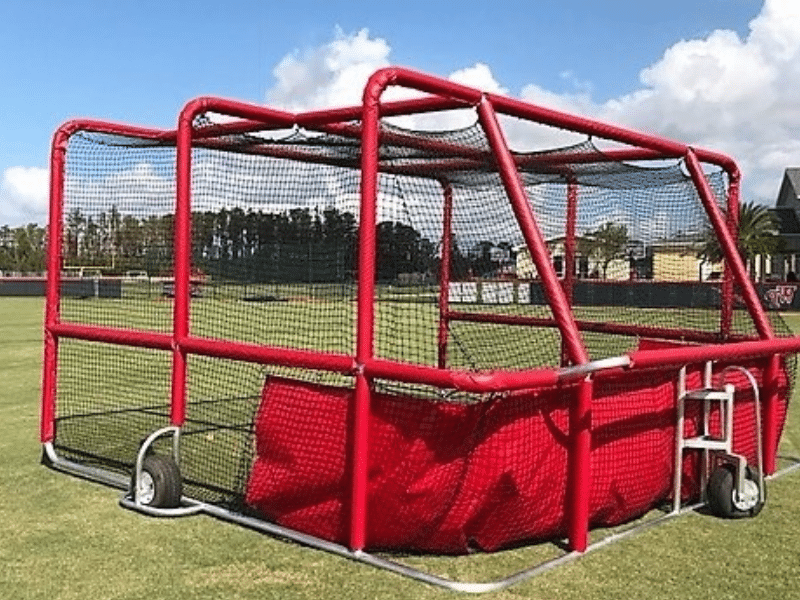
The #1 Pro Batting Turtle | The Pitch Hunter Pro Baseball Turtle
Price range: $9,100.00 through $10,300.00 -

The Pitch Hunter Express Baseball Turtle – The Batting Turtle Every School Wants
Price range: $8,500.00 through $9,900.00 -
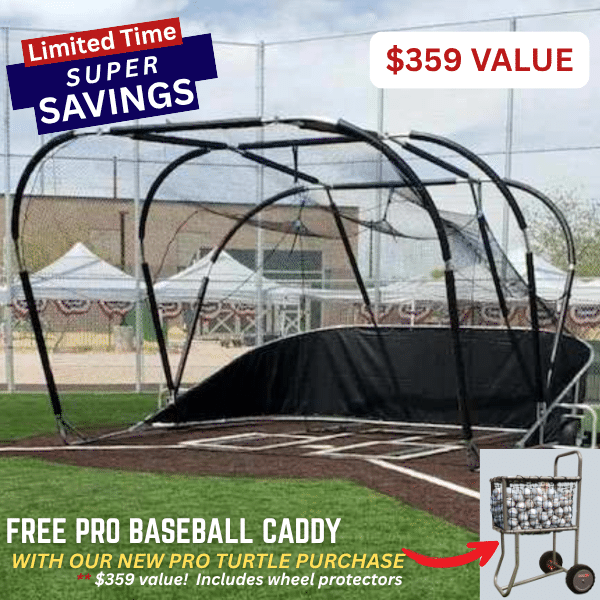
The New Pro Turtle | Our 21st Century Batting Cage Turtle
Price range: $6,900.00 through $7,700.00 -
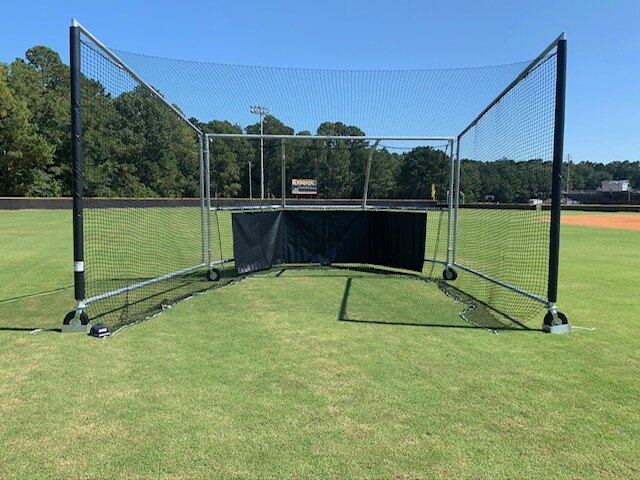
The Singles Hitter Portable Batting Cage Fits Your Small Gate
$7,500.00
Why Practice Efficiency Delivers the Greatest Return on Investment
The value of baseball equipment isn’t measured by how much it costs—it’s measured by how much it improves every practice.
Equipment that reduces downtime, increases repetitions, and allows multiple players to work simultaneously creates more opportunities for player development throughout an entire season. Even small improvements in practice organization can produce thousands of additional quality repetitions over the course of a year.
Programs that consistently invest in practice efficiency often see improvements not only in player development but also in coach productivity, practice organization, and overall program culture.
Read More: Efficient Batting Practice
Portable batting cages are an excellent example of equipment that delivers value far beyond its purchase price. By creating multiple hitting stations and reducing setup time, coaches can maximize every minute of practice while keeping more athletes actively engaged.
Read More: Portable Batting Cage Buying Guides & Practice Strategies
Frequently Asked Questions About High School Baseball Equipment Budgets
How much should a high school baseball program budget each year for equipment?
There is no one-size-fits-all budget because every program has different roster sizes, facilities, and funding sources. Rather than focusing on a specific dollar amount, coaches should prioritize equipment that improves practice efficiency, enhances player safety, and provides long-term durability. A strategic investment plan often delivers greater value than replacing equipment only after it fails.
What equipment should every high school baseball program purchase first?
Programs should begin with equipment used during nearly every practice, including portable batting cages, protective screens, baseballs, batting tees, and practice nets. These items benefit the greatest number of players while helping coaches organize efficient training sessions.
How often should batting practice equipment be replaced?
Replacement schedules depend on frequency of use, storage conditions, and maintenance. Baseballs and batting tees may require annual replacement, while well-built batting cages, protective screens, and ball carts can provide many years of reliable service when properly maintained.
Should booster clubs help purchase baseball equipment?
Yes. Booster clubs frequently support larger equipment purchases through fundraising efforts, sponsorships, and donations. Many successful programs combine athletic department funding with booster club support to build long-term equipment plans.
How can schools take advantage of tax-exempt purchasing?
Many schools and nonprofit organizations qualify for tax-exempt purchasing. Coaches should coordinate with their athletic director or purchasing department to provide the required documentation before ordering equipment. This helps reduce costs while ensuring compliance with school purchasing policies.
What equipment provides the greatest return on investment?
Equipment used during every practice typically delivers the highest return. Portable batting cages, protective screens, baseballs, batting tees, and organization equipment improve player development while maximizing the efficiency of every practice.
Is it better to buy one premium batting cage or several lower-cost options?
The answer depends on roster size, practice structure, and available funding. A premium batting cage often offers greater durability and a longer service life, while multiple stations may better serve larger programs. Coaches should evaluate long-term value rather than focusing solely on the initial purchase price.
How can coaches justify equipment requests to athletic directors?
Present equipment purchases in terms of measurable benefits. Explain how the investment improves player development, increases repetitions, enhances safety, reduces setup time, and supports the long-term goals of the baseball program.
What maintenance practices extend the life of baseball equipment?
Routine inspections, proper storage, regular cleaning, and prompt replacement of worn components help extend equipment life. Preventative maintenance protects the investment while ensuring equipment remains safe for players.
How can a program plan equipment purchases over multiple seasons?
Develop a multi-year purchasing strategy that prioritizes equipment with the greatest impact on daily practices. Replacing equipment on a planned schedule allows programs to improve steadily while avoiding large, unexpected expenses.
Build a Stronger Baseball Program Through Smarter Equipment Investments
Every baseball program operates within budget constraints, but successful programs understand that every purchase is an investment in player development. The goal isn’t simply to buy more equipment—it’s to select equipment that creates better practices, supports athlete growth, and delivers lasting value season after season.
By developing a long-term equipment budget, coaches can eliminate unnecessary spending, reduce replacement costs, and build practices that maximize every player’s opportunity to improve. Whether you’re replacing aging equipment or planning for future growth, thoughtful purchasing decisions help create a stronger baseball program today while preparing for tomorrow.
Contact Baseball Turtles
Choosing the right baseball practice equipment doesn’t have to be complicated.
For more than 25 years, Baseball Turtles has helped high schools, colleges, universities, youth organizations, municipalities, and baseball programs across the country improve their practices with durable, professional-quality batting practice equipment.
Whether you’re planning next season’s equipment budget, replacing aging equipment, or designing a more efficient practice environment, our team is here to help you find the right solution for your program, your goals, and your budget.
Contact Baseball Turtles today to request a quote or speak with our team about the best equipment for your baseball program.
Give us a call with any questions at 828-820-8644 M-F 10am- 5pm EST
Or, use our Add to Quote system for tax-exempt purchases to get started.
Our Batting turtle & portable Batting Cage Lineup
-
Bubba Elite Baseball Batting Cage | A Batting Turtle & All The Options
$7,690.00 -
D1 Foldable Batting Cage | Traditional Batting Turtle For BP
Original price was: $6,500.00.$5,700.00Current price is: $5,700.00. -
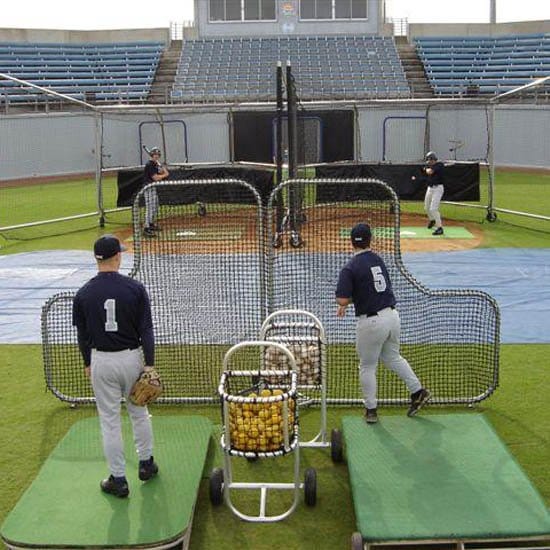
Doubles Hitter Portable Batting Turtle | 2 Batters | 1 Ballfield
$11,900.00 -
Home Plate Portable Hitting Cage | Made in USA
Original price was: $4,290.00.$3,950.00Current price is: $3,950.00. -
Our New Sandlot Rolling Portable Baseball Backstop
Original price was: $4,200.00.$3,950.00Current price is: $3,950.00. -
Our Non Folding Budget Batting Cage Batting Turtle
Original price was: $5,600.00.$5,200.00Current price is: $5,200.00. -
The #1 Pro Batting Turtle | The Pitch Hunter Pro Baseball Turtle
Price range: $9,100.00 through $10,300.00 -
The New Pro Turtle | Our 21st Century Batting Cage Turtle
Price range: $6,900.00 through $7,700.00 -
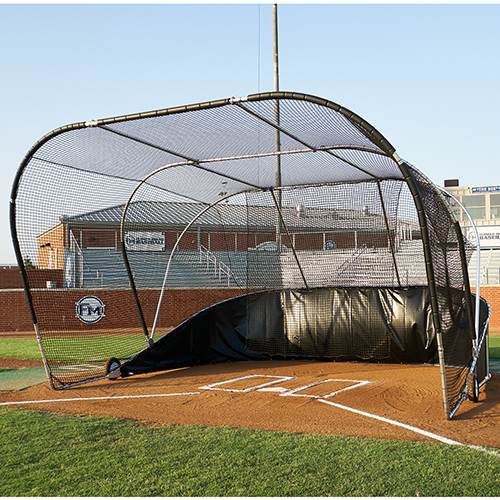
The Original Big Bubba Batting Cage | USA’s #1 Selling Batting Turtles
$7,250.00