What is the best way to organize batting practice?
The most effective batting practice keeps every player active. By dividing practice into multiple hitting stations, coaches can increase player reps, reduce downtime, improve safety, and create a more organized practice environment. Portable batting cages, batting turtle systems, and well-planned player rotations help baseball programs make the most of every minute on the field.
Key Takeaways
If your players spend more time waiting than swinging, your batting practice needs a better system. Multi-station batting practice allows coaches to increase repetitions, improve player development, reduce setup time, and create a safer, more organized practice. Learn how portable batting cages, batting turtles, and organized practice stations can transform the way your team practices.
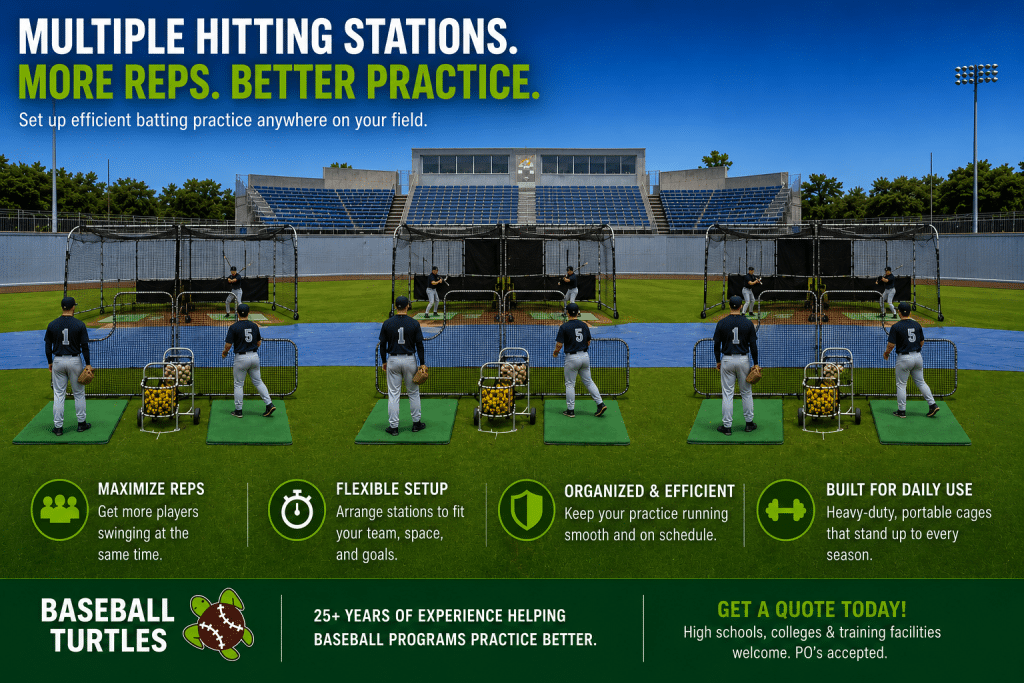
Table of Contents
Why Multi-Station Batting Practice Produces Better Players
Every baseball coach wants to maximize player development.
The challenge is finding enough quality repetitions within a limited amount of practice time.
Traditional batting practice often places one hitter at the plate while everyone else waits. As roster sizes grow, those wait times become longer, reducing the number of quality swings each player receives during practice.
Multi-station batting practice solves this problem.
Instead of relying on one hitting area, coaches divide players into several organized stations where athletes rotate through different drills. Players stay active, coaches can provide more focused instruction, and practices move efficiently from one activity to the next.
Benefits of a multi-station batting practice system include:
- More quality swings for every player
- Less standing around waiting for a turn
- Better coach-to-player instruction
- Improved practice organization
- Increased player engagement
- Better use of available field space
- Safer practice environments
- More efficient use of limited practice time
Whether you’re coaching a varsity high school team, a college baseball program, or a youth organization, an organized batting practice system helps players develop faster while making practice more enjoyable and productive.
Common Batting Practice Problems Coaches Face
Even experienced coaches run into the same challenges during batting practice.
Without an organized system, practices can quickly become inefficient.
Players Spend Too Much Time Waiting
The biggest obstacle to player development is inactivity.
When one hitter is batting and everyone else is standing in line, valuable practice time is lost. Players become distracted, lose focus, and receive fewer meaningful repetitions.
The goal should always be to keep every athlete involved.
Practice Setup Takes Too Long
Moving equipment, repositioning screens, and reorganizing players can consume valuable practice time.
Portable practice equipment allows coaches to quickly build organized hitting stations and spend more time coaching instead of setting up.
Coaches Become Overwhelmed
One coach attempting to supervise every player at a single batting station often struggles to provide quality instruction.
Multiple stations allow assistant coaches to work with smaller groups while giving athletes more individual attention.
Safety Becomes More Difficult
Crowded practice areas increase the chances of players entering active hitting zones or getting too close to live swings.
Clearly organized batting stations help separate drills, improve player movement, and create safer practice environments.
Limited Field Space
Not every baseball program has multiple batting cages or dedicated practice fields.
Portable batting cages and batting turtle systems help coaches maximize available space by creating flexible practice layouts that can be adjusted throughout the season.
Designing an Efficient Batting Practice Workflow
Well-organized batting practice doesn’t happen by accident.
It begins with a plan.
Every player should know where they are going, what drill they are completing, and when they rotate to the next station.
An organized workflow keeps practices moving smoothly and allows coaches to focus on instruction instead of crowd control.
Read more: How to Run More Efficient Batting Practice
Before Practice Begins
Before players arrive, coaches should:
- Position portable batting cages
- Place batting turtles in their designated stations
- Set up hitting mats
- Organize baseball buckets and ball carts
- Position L-screens
- Mark player rotation areas
Having equipment ready before practice begins eliminates unnecessary delays.
Read more: Best Portable Batting Cage for High School Baseball Programs
Assign Players to Small Groups
Instead of placing the entire team into one batting line, divide players into smaller groups.
Groups of four to six players typically work well depending on roster size.
Smaller groups allow athletes to stay active while giving coaches more opportunities to provide individual instruction.
Create Timed Rotations
Rather than allowing one station to continue indefinitely, rotate players every 8–12 minutes.
Timed rotations help keep practice organized while ensuring every player completes each station.
Many successful programs use a whistle or timer to signal station changes.
Give Every Coach a Specific Role
Assistant coaches become much more effective when assigned to individual stations.
One coach may supervise live batting practice while another focuses on tee work or front toss.
This allows players to receive more personalized instruction throughout practice.
How Coaches Organize Hitting Stations
The most successful baseball programs build batting practice around clearly defined stations.
Each station focuses on a specific skill while keeping players actively engaged.
Station 1 — Live Batting Practice
This station allows hitters to face live pitching inside a portable batting cage or batting turtle system.
The focus is game-speed swings and situational hitting.
Suggested Internal Link: Portable Batting Turtle Product Page
Station 2 — Tee Work
Tee drills help players develop swing mechanics, balance, and consistent contact.
This station is ideal for reinforcing fundamentals without waiting for pitches.
Station 3 — Soft Toss
Soft toss allows hitters to focus on timing, bat path, and contact point.
Players receive frequent swings while coaches provide immediate feedback.
Station 4 — Front Toss
Front toss introduces more realistic timing while still allowing coaches to control pitch location and tempo.
It serves as an excellent transition between tee work and live batting practice.
Station 5 — Timing and Tracking
Not every station requires a swing.
Vision drills, pitch recognition, stride timing, and tracking exercises help hitters improve without adding fatigue.
Best Portable Equipment for Multi-Station Batting Practice
The best coaches know that great practices begin with great preparation.
While drills and coaching techniques matter, the right equipment allows those drills to run efficiently and safely.
Portable equipment gives coaches the flexibility to build practice around players instead of forcing players to adapt to permanent setups.
The goal isn’t to own more equipment—it’s to own equipment that helps players get more quality repetitions while making practices easier to organize.
Portable Batting Turtles
Portable batting turtles are designed specifically to create organized live batting practice stations.
Unlike permanent batting cages, portable batting turtles can be positioned exactly where they are needed, allowing coaches to build multiple stations across the field.
Benefits include:
- Quick setup and repositioning
- Better organization of hitting stations
- Increased player safety
- More efficient use of field space
- Easy storage after practice
- Built for daily team use
For programs running multiple batting stations, portability becomes one of the biggest advantages.
Portable Batting Cages
Portable batting cages provide another option for creating dedicated hitting environments.
Many programs combine portable batting cages with batting turtles to build several active stations during one practice.
Advantages include:
- Indoor and outdoor use
- Flexible station placement
- Reduced setup time
- Multiple practice configurations
- Long-term durability
Programs with limited field access especially benefit from equipment that can be moved quickly throughout practice.
Recommended products
-
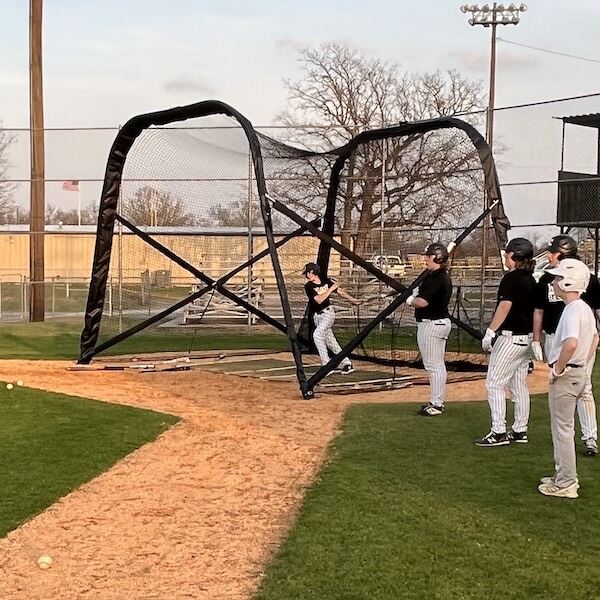
Home Plate Portable Hitting Cage | Made in USA
Original price was: $4,290.00.$3,950.00Current price is: $3,950.00.
L-Screens and Protective Screens
Safety should always be part of every practice plan.
Protective screens help shield coaches during front toss and batting practice while clearly defining each station.
When properly positioned, L-screens improve both organization and safety.
Hitting Mats
Portable hitting mats create consistent footing regardless of field conditions.
They also help coaches quickly establish organized hitting areas during both indoor and outdoor practices.
Many programs use hitting mats with portable batting turtles to create professional-quality practice stations almost anywhere.
Ball Carts and Baseball Buckets
One of the easiest ways to improve practice efficiency is simply reducing unnecessary trips to collect baseballs.
Ball carts and organized bucket systems help practices continue moving while allowing coaches to focus on instruction.
Small improvements in organization often produce significant time savings over the course of an entire season.
Organizing Batting Practice for Large Teams
Large rosters create unique challenges.
When 30, 40, or even 50 players attend practice, organization becomes just as important as instruction.
Instead of placing every player into one batting line, successful programs divide athletes into smaller groups that rotate through multiple stations.
This approach keeps players engaged while reducing congestion around home plate.
Sample Rotation for a 36-Player Team
Group A
Live Batting Practice
Group B
Tee Work
Group C
Soft Toss
Group D
Front Toss
Group E
Defensive Fundamentals
Group F
Vision and Timing Drills
Every 10 minutes, each group rotates to the next station.
By the end of practice, every player has completed each activity while receiving significantly more repetitions than traditional batting practice.
Coaching Assignments
Assign one coach to each major station whenever possible.
For example:
Head Coach
Live Batting Practice
Assistant Coach
Front Toss
Assistant Coach
Tee Work
Volunteer or Student Assistant
Ball Collection and Rotation Management
Clear responsibilities reduce confusion and keep practice moving smoothly.
Indoor Batting Practice Workflow
Weather doesn’t always cooperate.
Indoor facilities often have limited space, making organization even more important.
Portable practice systems allow coaches to quickly build temporary hitting stations that can be rearranged as needed.
Many programs create stations for:
- Live hitting
- Tee drills
- Soft toss
- Pitch recognition
- Swing mechanics
Because portable baseball equipment is easy to move, coaches can maximize every square foot of available training space.
Sample 60-Minute Multi-Station Batting Practice
| Time | Activity |
|---|---|
| 0–10 Minutes | Dynamic Warm-Up |
| 10–20 Minutes | Station Rotation 1 |
| 20–30 Minutes | Station Rotation 2 |
| 30–40 Minutes | Station Rotation 3 |
| 40–50 Minutes | Station Rotation 4 |
| 50–60 Minutes | Team Review & Cleanup |
Using timed rotations helps maintain a steady practice pace while ensuring every player receives quality repetitions.
Common Mistakes That Slow Down Batting Practice
Even experienced coaches can unintentionally create practice bottlenecks.
Recognizing these issues is the first step toward building a more efficient system.
Using Only One Hitting Station
When every player waits for a single batting station, valuable practice time is lost.
Multiple stations dramatically increase player activity.
Spending Too Much Time Moving Equipment
Constantly relocating equipment throughout practice interrupts player development.
Portable equipment allows coaches to reposition stations quickly while minimizing downtime.
Groups That Are Too Large
Players standing in long lines receive fewer swings.
Smaller groups create more repetitions and better instruction.
No Defined Rotation Plan
Players should always know where they are going next.
Clear station rotations reduce confusion and eliminate wasted time.
Equipment Without a Purpose
Every piece of equipment should contribute to player development.
Before adding another drill, ask:
“Does this help players receive more quality repetitions?”
If the answer is no, simplify the practice.
Building a Better Batting Practice System
The most successful baseball programs don’t simply run batting practice.
They build systems.
An organized multi-station batting practice creates a structured environment where coaches can teach more effectively and players receive significantly more quality repetitions.
Portable batting turtles, portable batting cages, protective screens, hitting mats, and organized station layouts work together to create practices that are safer, more efficient, and more enjoyable for everyone involved.
Whether you’re coaching a youth team, a high school program, a college roster, or operating an indoor training facility, an organized practice system allows every minute on the field to have purpose.
Explore Portable Practice Systems for Teams
For more than 25 years, Baseball Turtles has helped coaches, schools, colleges, and training facilities build organized batting practice systems that improve player development while making practices easier to manage.
Whether you’re equipping one field or an entire baseball program, we’ll help you choose the right portable batting practice equipment for your team, facility, and budget.
Explore Portable Practice Systems for Teams
Frequently Asked Questions About Multi-Station Batting Practice
How do baseball coaches organize batting practice?
Most successful coaches organize batting practice using multiple hitting stations that allow players to rotate through live batting practice, tee work, soft toss, front toss, and timing drills. This approach increases player repetitions while reducing downtime.
How many batting stations should a team have?
The ideal number depends on roster size, coaches available, and practice space. Many high school and college programs use four to six stations to keep players active throughout practice.
How do you keep players active during batting practice?
Players stay engaged by rotating through multiple organized stations with timed intervals. Smaller groups reduce waiting and provide more opportunities for instruction.
What equipment helps organize batting practice?
Portable batting turtles, portable batting cages, hitting mats, L-screens, ball carts, and organized player rotation systems help coaches create efficient batting practice environments.
How do portable batting turtles improve practice?
Portable batting turtles help coaches quickly create safe, organized hitting stations that can be repositioned throughout practice to improve workflow and maximize available field space.
How many players should rotate through one batting station?
Groups of four to six players typically provide the best balance between quality repetitions and coaching opportunities.
How do high school baseball teams organize batting practice?
Many high school teams divide players into multiple stations where each group focuses on a specific skill before rotating every 8 to 12 minutes.
What is the most efficient batting practice setup?
The most efficient setup includes multiple active hitting stations, clearly defined player rotations, portable equipment, and coaches assigned to specific stations.
How do college baseball programs organize batting practice?
College programs often use advanced station rotations with multiple coaches supervising different skill stations, allowing players to receive focused instruction while maximizing practice efficiency.
What is the best batting practice layout for large teams?
Large teams benefit from evenly spaced hitting stations across the field with portable batting turtles, portable batting cages, and dedicated practice areas that reduce congestion while increasing player reps.
Build a Better Batting Practice Program
For more than 25 years, Baseball Turtles has helped high schools, colleges, universities, youth organizations, training facilities, and professional baseball programs create more organized, efficient batting practice systems.
Whether you’re outfitting a single field or upgrading an entire baseball program, we’ll help you choose the right portable batting cages, batting turtles, and practice equipment to fit your team, facility, and budget.
We understand that every program has different needs, space limitations, and purchasing requirements. That’s why we’re happy to answer questions, recommend equipment, and provide quotes that make sense for your program.
Schools, colleges, universities, and municipal organizations are welcome. Purchase Orders (POs) are accepted.
⚾ Ready to Build a More Efficient Batting Practice?
Call 828-820-8644 to speak with one of our batting practice equipment specialists, or Request a Quote online. We’ll help you create a safer, more organized practice environment that maximizes player development and makes every practice more productive.
Explore Our Quality Line of Portable Batting Turtles & Batting Practice Accessories
Best selling products
-
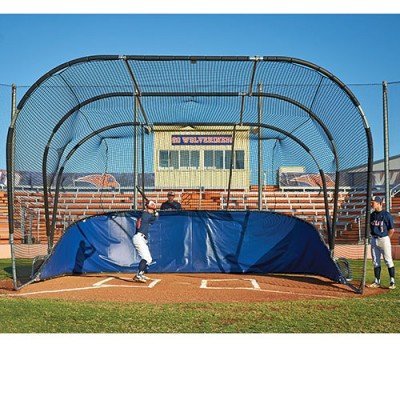
Big Bubba Batting Cage Parts & Bubba Elite Batting Cage Parts
Price range: $45.00 through $1,780.00 -

The #1 Pro Batting Turtle | The Pitch Hunter Pro Baseball Turtle
Price range: $8,700.00 through $9,900.00 -

The Pitch Hunter Express Baseball Turtle – The Batting Turtle Every School Wants
Price range: $8,200.00 through $9,500.00 -
The New Pro Turtle | Our 21st Century Batting Cage Turtle
Price range: $6,900.00 through $7,700.00 -
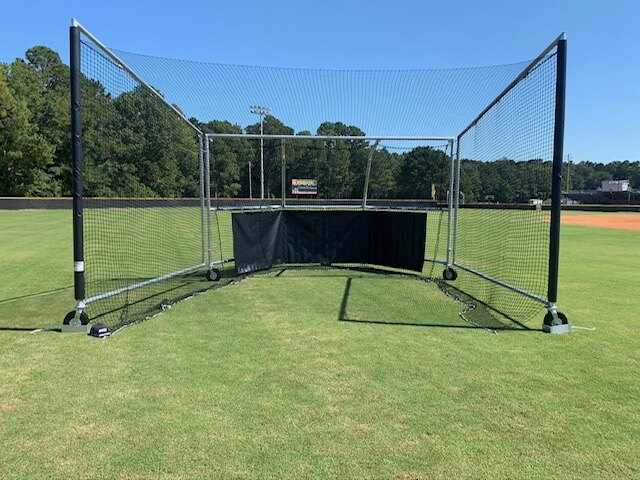
The Singles Hitter Portable Batting Cage Fits Your Small Gate
$6,900.00